 2021
2021
Orbit
Physics PuzzleCore: Gravitational slingshot mechanics.
Every project at Diglino Studio begins with a single question: What does the player feel when they act? Our portfolio is a record of those answers, built from the constraints of platform, time, and player expectation.
View PortfolioSelect a card to reveal the designer's note on constraints and trade-offs.
2021
Core: Gravitational slingshot mechanics.
 2022
2022
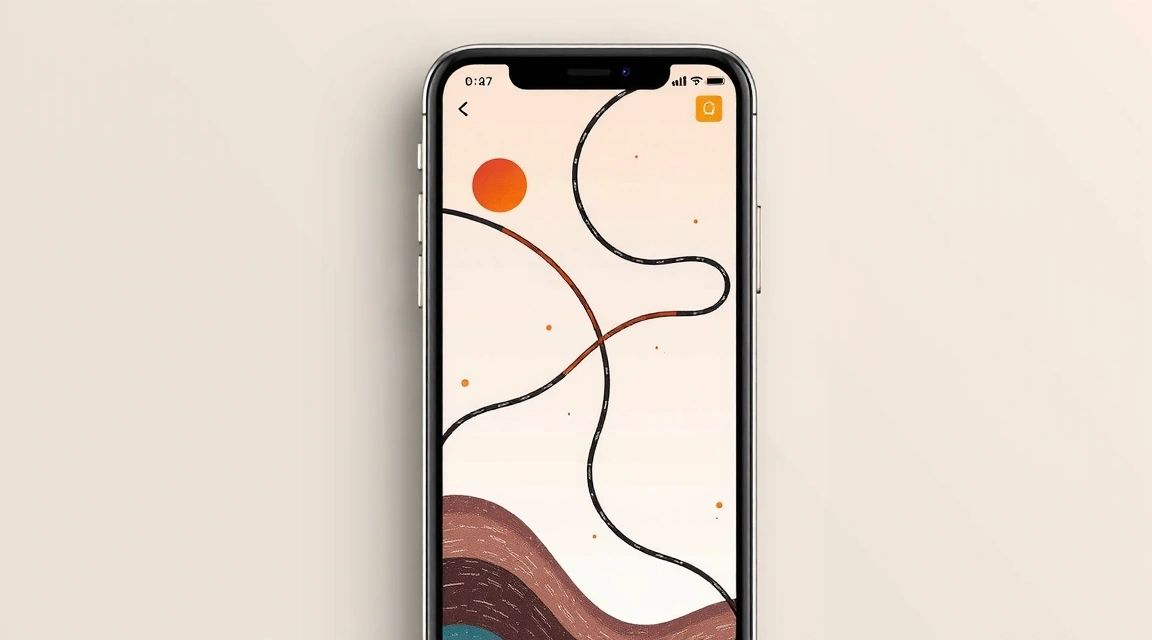
Core: Gesture-based storytelling.
 2023
2023
Core: UI as gameplay element.
 2024
2024
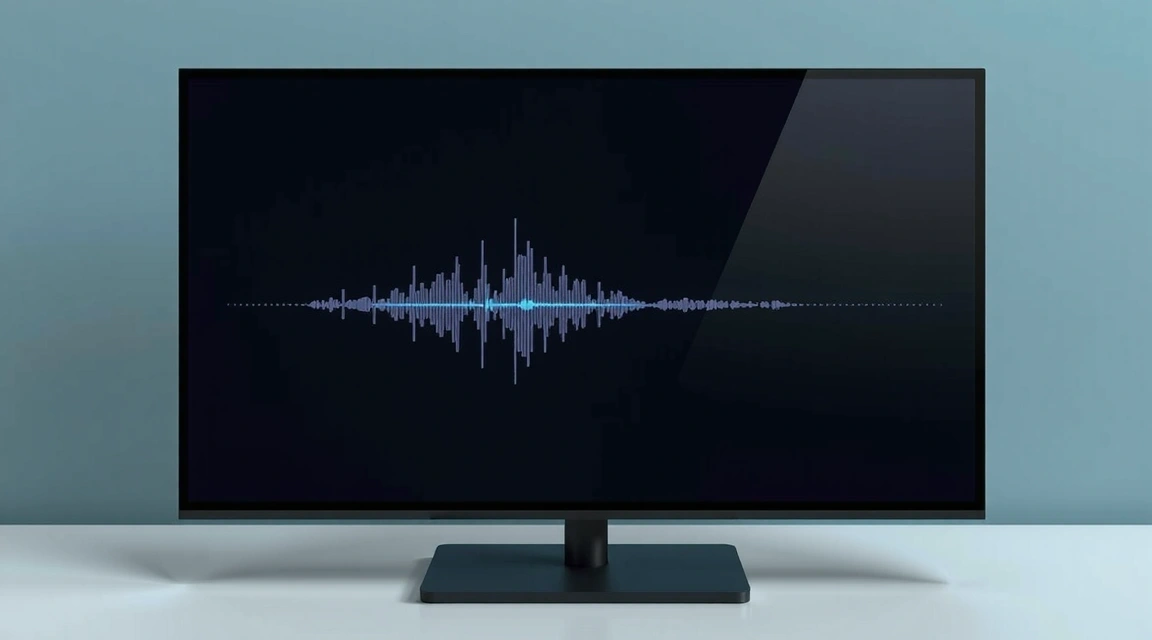
Core: Spatial audio narrative.
Our work is defined not by unlimited resources, but by sharp limitations. A tight platform spec, a fixed timeline, or a limited color palette becomes a creative catalyst, not a barrier. This is our approach to building robust systems that feel intentional.
For example, the sound design in Orbit was built from a single audio sample, manipulated through filters and pitch shifts. The constraint forced us to focus on texture and timing, creating a more cohesive sonic identity than a sprawling library would have. This method separates decorative noise from functional, memorable audio.
We document these decisions in what we call a "Decision Log"—a living document for each project that captures why we chose a specific tool or mechanic, and what trade-offs we accepted. It’s a map of the creative journey, ensuring every feature has a deliberate origin.
A breakdown of the invisible work that defines a finished game.
"We spent three days on the sound of a button in Circuit. It wasn't just a click; it was a tuned frequency that matched the musical key of the level. That single sound changed how every player felt about the game."
— Lead Developer, Diglino Studio
Constraint: No visual narrative. Players must navigate by sound.
Removing non-essential UI in Loom increased task completion speed by 22% in playtests.
How we evaluate an idea before writing a single line of code.
| Criteria | What We Optimize For | What We Sacrifice |
|---|---|---|
| Tactile Feedback | A clear cause-and-effect loop where the player's action has an immediate, physical-feeling response (e.g., a satisfying 'thunk' or 'thwip'). | Abstract mechanics that require explanation. If we can't feel it, we redesign it. |
| Narrative Clarity | Systems where player action generates story. The plot is discovered, not watched. | Lengthy dialogue or cutscenes that separate player action from story. |
| Scope Realism | A single, polished, and profound mechanic. One idea done perfectly. | Feature breadth. We release with 10 perfect features, not 50 mediocre ones. |
We don't just build games; we design the feeling of play. Let's discuss the constraints and creative challenges of your next title.
Start the Conversation